Rat
Interview with the VampireRat occupies a distinctive place in the vampire world described by Louis: it is prey, emergency nourishment, a logistical hazard, and an image through which the narrative tests the difference between animal instinct and moral consciousness. The creature’s repeated appearances connect the domestic world of Pointe du Lac, the streets of New Orleans, the imagined ruins of a cathedral, the vampire legends of Eastern Europe, and the squalid room where Louis eventually finds Lestat.
Practical Food and Vampire Instruction
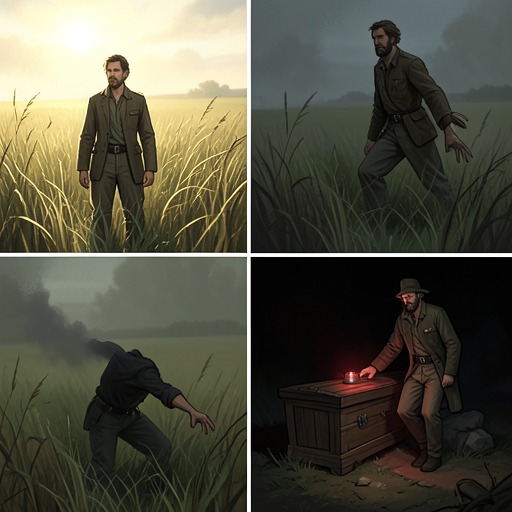
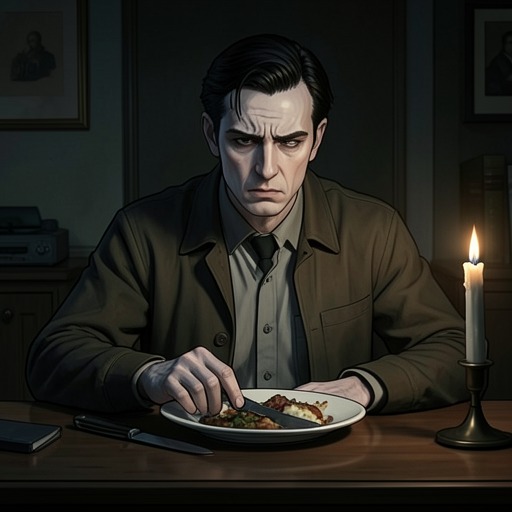
Lestat first uses a Rat to teach Louis the practical conditions of vampire existence. He catches a large field rat outside Pointe du Lac, restrains it by the neck, cuts its throat, and fills a crystal wineglass with its blood. He drinks the blood with the delicacy of someone tasting burgundy, though he observes that it cools quickly. The lesson is deliberately material: vampires can live from animals, including Rats, chickens, and cattle, and animal blood can prevent the panic that would follow if a vampire killed openly among human passengers. Lestat extends the lesson into travel and concealment. A vampire crossing the sea can have a coffin transported as though it contained the remains of a loved one, then rise at night to clean the ship of Rats. The animal is therefore both nourishment and a threat to secrecy: failing to feed on available Rats could cause a shipboard disturbance and lead others to search the coffin. Louis recognizes that Lestat is an adequate teacher in such mundane matters even while despising his violence and his contempt for reading.
Hunger, Choice, and Sensory Presence
When Louis wanders through the dark streets during a crisis of faith, Rats are among the alternatives available to him. His thirst becomes physically agonizing, yet Rats abound in the streets and a dog howls nearby. He could have fed on an animal and returned, but instead he enters a room where a five-year-old child sits beside her dead mother. The presence of Rats sharpens the moral structure of the scene: Louis is not forced by absolute scarcity to kill the child. Animal blood is available, but the child’s vulnerability, pity, and human presence confront him with a choice he cannot explain away. The same sensory tension appears in the cathedral. Once Louis deliberately gathers his senses, he smells a Rat moving somewhere near the altar, within the carved side altar of the Virgin Mary. The animal’s hidden movement is set against prayers, rosary beads, flowers, gold candlesticks, statues, and the consecrated space. The Rat makes the cathedral’s material life impossible to idealize: beneath religious forms lies decay, appetite, and the persistence of nonhuman life.
Religious and Gothic Imagery
Louis’s vision of the cathedral transforms the Rat from an ordinary source of blood into an emblem of spiritual desolation. The church becomes a cemetery of dead forms, while Rats eat the Holy Eucharist and nest on the sills. One Rat gnaws at a rotted altar cloth until the candlesticks fall onto slime-covered stones. Louis remains standing, untouched and undead, holding the crumbling plaster hand of the Virgin. In this vision, the Rat does not merely decorate a scene of horror; it participates in the collapse of the categories that once organized Louis’s faith. Sacred objects decay, animals enter the sanctuary, and the vampire becomes the only conscious supernatural presence beneath the church roof. The image also reverses the expected hierarchy between human religion and animal existence. The Rat survives among ruined symbols, while the statues lose their solidity and the altar becomes a site of rot. Its persistence supports Louis’s conviction that the church contains no living God for him and that his own immortality has placed him outside the moral and spiritual order represented by the cathedral.
Rats and Vampire Folklore
During Louis and Claudia’s journey through Transylvania, Hungary, Bulgaria, and the surrounding regions, Rats belong to the physical and folkloric environment in which the living dead are said to walk. The pair encounters only a handful of such creatures, usually mindless corpses with rotted clothing and empty eyes. Their investigation disappoints the hope that ancient vampires might explain vampire origins or possess a wisdom equal to their longevity. This contrast matters because the Rat had already represented practical intelligence in Lestat’s lessons: it could sustain a vampire, expose poor concealment, and connect supernatural survival to ordinary animal life. The mindless revenants of Eastern Europe offer no comparable consciousness. Their presence instead reinforces Louis’s despair that vampiric existence may lead not to knowledge but to decay, repetition, and empty instinct.
The Rat in Lestat’s Degradation
The Rat returns most starkly when Louis finds Lestat in New Orleans. In a sweltering, ruined house, Lestat lives beside a fire with a coffin whose lacquer is peeling and with the bodies of dead Cats scattered through the dust. A younger vampire complains that Lestat should hunt something other than miserable animals. Lestat, bent and trembling, asks for wood and bitterly remarks that the other vampire might have brought him something else. His condition reverses the authority of the earlier lesson at Pointe du Lac: the confident instructor who once demonstrated how to use a Rat has become a dependent, degraded figure surrounded by refuse and failed feedings. A Rat also appears in Louis’s vision at the moment of his transformation, when Lestat emerges in a glimmering frame with a large brown Rat clutched in his teeth. He throws it down in shock as blood runs from his mouth. The image binds Lestat’s vampiric identity to animal hunger while also making the Rat a recurring emblem of recognition: it accompanies Louis’s initiation, his recollection of vampire violence, and his discovery of what Lestat has become.
Narrative Significance
Rat repeatedly marks the unstable border between civilized appearance and bodily appetite. Lestat serves animal blood in a crystal glass, alongside the manners of wine tasting and the furnishings of plantation luxury; Louis encounters Rats beneath the solemn architecture of the cathedral; Eastern European folklore places them within landscapes of burial and revenance; and Lestat’s later home reduces immortal existence to heat, decay, dead animals, and pleading hunger. The creature therefore links class performance, travel, religion, folklore, and physical survival without becoming a speaking character. Its recurrence also clarifies the difference between Louis and Lestat. Lestat treats Rats as useful provisions and as a subject for practical instruction, whereas Louis sees animal blood as an available alternative during his ethical crisis and later experiences Rats as signs of spiritual and material ruin. The Rat remains an animal throughout, but its narrative function changes with the scene: it is food, warning, contaminant, omen, and mirror. Through that shifting function, the novel presents vampirism not as a single fixed condition but as a continual negotiation between appetite, secrecy, consciousness, and decay.